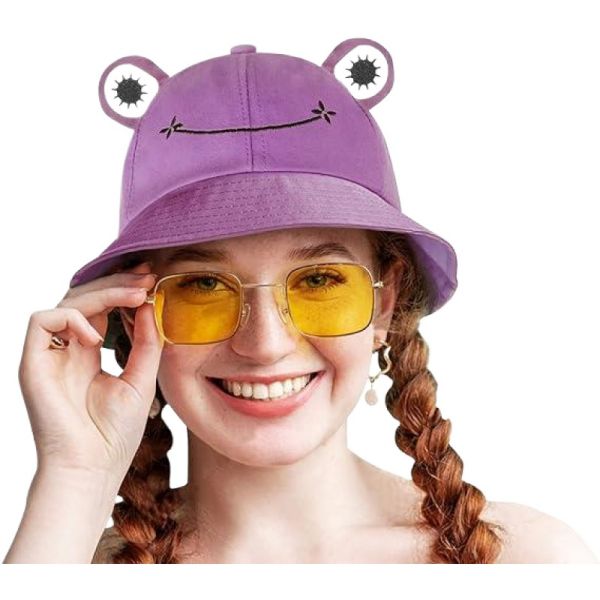
Identify the flat cap silhouette
A flat cap generally has a low crown and a short front peak. Use this description as a guide to reference selection, then review photographs and measurements for the exact design. Shape, panels, fabric, and fit can vary between products. A style name does not establish a supplier's material specification or available customization options.
Compare flat cap and baseball cap construction
A baseball cap generally has a segmented crown and a projecting front visor, while a flat cap presents a lower profile over a shorter peak. Compare actual samples rather than relying on these broad descriptions. Record crown dimensions, panel layout, peak shape, fit, and any adjustment system needed for the project.
Select references for the intended flat cap collection
Describe the intended wearer, styling direction, color choices, and quantity. Include front, side, and rear reference images so the supplier can review the requested silhouette. State measurements that are already approved and mark unknown details for confirmation. Avoid assuming that a visual reference determines fabric composition, performance, or country of origin.
Review flat cap logo placement on a sample
Supply the logo artwork, approximate dimensions, colors, and preferred placement. Ask the supplier to review the selected construction before deciding on embroidery, a patch, a label, or another treatment. Check the result on a sample, including visibility, edge quality, and placement relative to seams. Record corrections before approving the final specification.
Approve the flat cap order specification
Preserve the accepted sample reference together with materials, measurements, colors, decoration, labels, and packaging instructions. Eligible custom programs can start at 50 pieces; final MOQ must be confirmed against style, materials, colors, logo treatment, trims, and packaging. Keep unconfirmed price, timing, and technical requirements open until the supplier has reviewed the complete brief.