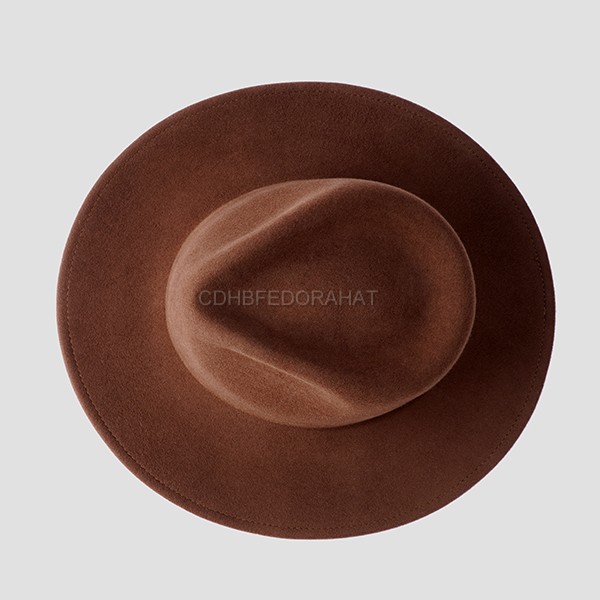
Material and lining specification for a custom headwear order for headwear importers: the buyer decision
A material request should distinguish the outer body, lining, sweatband and reinforcement. A photograph may suggest appearance, but it cannot verify fiber content or how those components are assembled.
Identify the material requirement by component
List the proposed composition, construction, color and hand feel for each component where known. Label unknown values as questions. Request a swatch or representative sample and identify which component it represents rather than approving one fabric for the whole hat.
Apply the review to your buying program
Importers should separate supplier-provided descriptions from statements that will be used in the destination market. Ask the responsible compliance contact to review the applicable scope. Keep translation and product identification consistent so evidence concerning one component is not attributed to another finished product.
Assess substitutions as changes to the product
Compare proposed alternatives for appearance, handle and compatibility with decoration or shaping. Request supporting evidence for any claimed property. Do not infer waterproofing, sun protection or a certification from a fabric name or from the look of a lining.
Keep the decision evidence
Maintain a component material schedule with swatch references and substitution decisions. Attach the buyer's accepted description without inventing a test result or supplier capability.
Authorized CDHB product scope
Owner-authorized product scope: B2B custom headwear programs for brands, wholesalers, importers, and promotional-products distributors
MOQ: eligible custom programs can start at 50 pieces; final MOQ must be confirmed against style, materials, colors, logo treatment, trims, and packaging