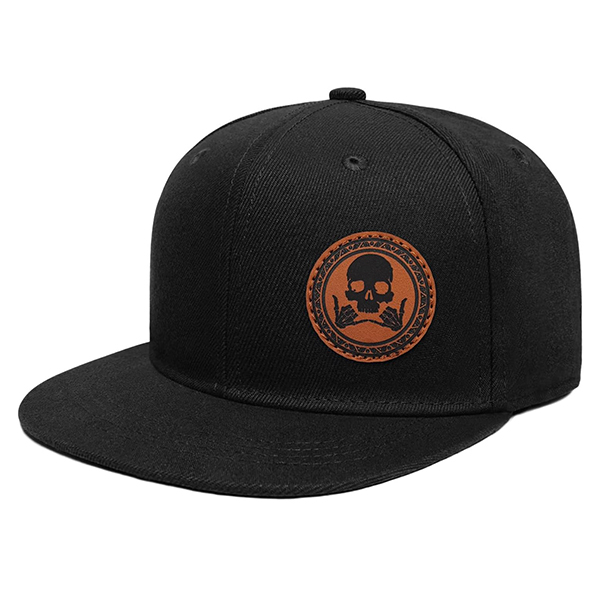
Compliance document checklist for a custom headwear buyer for promotional product distributors: the buyer decision
A compliance document request starts with intended market, product description and the buyer's requirements. A file carrying a certificate title does not prove that it applies to the proposed headwear.
Check document scope before relying on its name
Ask the responsible buyer or qualified adviser to identify required evidence. Review issuer, applicant, product identification, dates and stated coverage against the actual specification. Record gaps where a document concerns another material, model or manufacturing scope.
Apply the review to your buying program
Distributors should ask which end-client requirements are mandatory and which are suggestions. Send technical questions back to the client's authorized contact where evidence is missing. A customer's promotional description should not become a technical or certification claim simply because it appears in the brief.
Refer applicability questions to the responsible specialist
Keep requested evidence separate from verified coverage and outstanding clarification. Do not describe CDHB or a product as certified based on an unreviewed reference. This checklist does not determine destination law or replace a qualified review of the transaction.
Keep the decision evidence
Build a document matrix with requirement source, submitted file, applicable product and review status. Keep unsupported claims out of labels and sales descriptions pending verification.
Authorized CDHB product scope
Owner-authorized product scope: B2B custom headwear programs for brands, wholesalers, importers, and promotional-products distributors
MOQ: eligible custom programs can start at 50 pieces; final MOQ must be confirmed against style, materials, colors, logo treatment, trims, and packaging