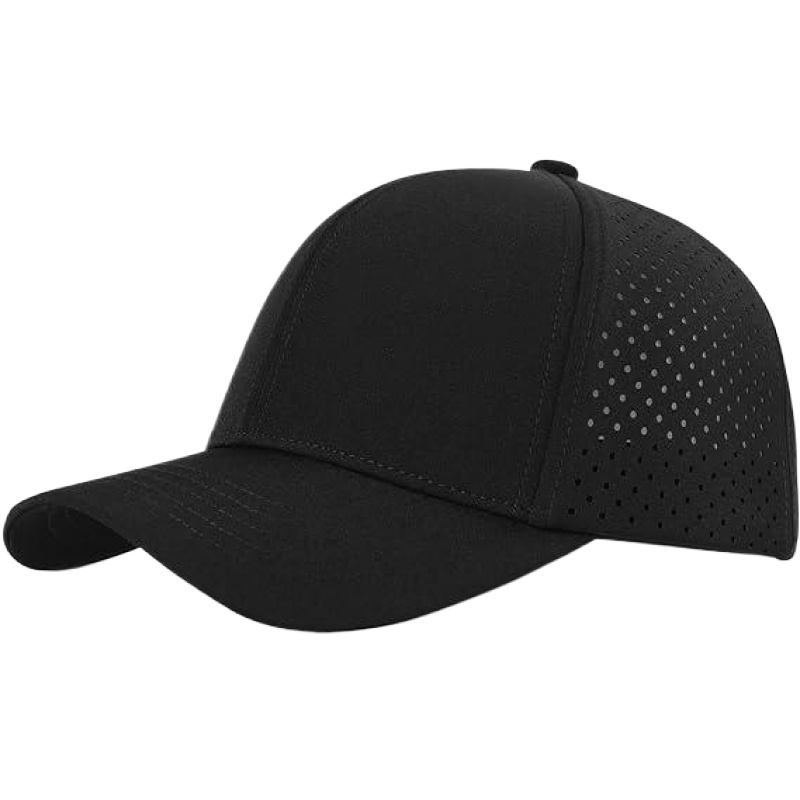
Closure hardware check for a custom cap production release: the buyer decision
Closure hardware should be evaluated on the assembled cap, where attachment and adjustment interact. A loose buckle or strap sample cannot show the full experience of fastening the finished product.
Check fastening, retention and attachment
Identify closure type, strap path and attachment points. Operate the sample through its intended adjustment range and record snagging, unwanted release or difficult threading. Review visible edges and contact points without inventing a safety rating or an unagreed cycle requirement.
Apply the review to your buying program
Retail buyers should connect fit measurements to the product page and store fitting guidance. Review whether an adjustable description communicates the actual evaluated range. Keep customer-facing size information consistent across the hangtag and listing, and flag any portion of the range that was not physically reviewed.
Distinguish functional observations from acceptance limits
State the setting and action that produced each finding. Ask the responsible parties to agree any required test method and limits. A few successful manual operations show what was observed, not verified durability over a claimed service life.
Keep the decision evidence
Keep a closure review record with photographs, adjustment settings and unresolved findings. Confirm the approved hardware reference before releasing component substitutions.
Authorized CDHB product scope
Owner-authorized product scope: B2B custom headwear programs for brands, wholesalers, importers, and promotional-products distributors
MOQ: eligible custom programs can start at 50 pieces; final MOQ must be confirmed against style, materials, colors, logo treatment, trims, and packaging